

As summer’s warmth fades and the air takes on a crisp edge, the British landscape transforms into a painter’s palette of russet reds, burnished golds, and deep auburns. Autumn is not just a time to admire nature’s display—it’s one of the most rewarding seasons for grounds maintenance, and our favourite here at Harrell Landscapes. Whether tending a sprawling estate or a compact city garden, autumn offers us both challenges and opportunities to shape outdoor spaces for the months ahead.
The Season of Transition
Autumn sits at a crossroads in the gardening calendar. With soil still holding the residual warmth of summer but cooler air tempering growth, it’s the ideal time for planting trees, shrubs, and perennials. Root systems can establish without the stress of extreme heat, setting the stage for vigorous growth come spring.
Our grounds maintenance teams take advantage of this balance, introducing structural plants such as hornbeam, beech, and yew hedging or ornamental trees like Acer palmatum and Amelanchier for colour and form. Autumn also allows for the rethinking of borders—dividing overcrowded perennials or reshaping beds to enhance seasonal flow.
Colour and Texture
Few times of year rival autumn for texture and tone. Our horticulture experts weave together plants that complement the shifting light and shorter days. The feathery plumes of Miscanthus and Panicum grasses catch the low sun, while Sedum ‘Autumn Joy’, rudbeckias, and asters provide vibrant, long-lasting colour.
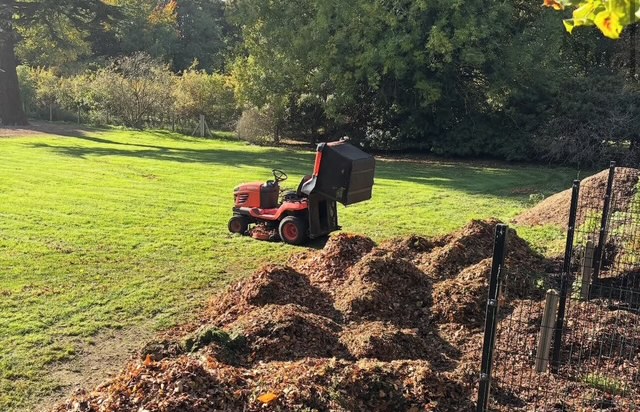
Leaf litter, too, becomes part of the aesthetic. Rather than seeing fallen leaves as debris, many modern landscape designs incorporate them into the visual language of the garden—mulched beneath trees or allowed to gather naturally in wildlife-friendly corners.
Preparing for Winter
Autumn gardening is as much about preparation as presentation. It’s the time to rejuvenate lawns, clear ponds, and install drainage where necessary to handle winter rainfall. Hard landscaping—such as repairing paths, stone walls, and decking—can also be tackled before frost sets in.
Composting is another essential task. We use autumn’s abundance of organic material—leaves, cuttings, and vegetable matter—to create nutrient-rich compost for the coming year.
Welcoming Wildlife
With the emphasis on sustainability and biodiversity growing stronger across the UK, autumn landscape gardening increasingly focuses on supporting local wildlife. Seed heads left standing provide food for birds, log piles offer shelter for insects, and ponds serve as overwintering habitats for amphibians.
Planting native species such as hawthorn, holly, and ivy helps create ecological balance, ensuring that gardens remain lively and resilient even as temperatures drop.
A Season of Reflection
Perhaps the greatest gift of autumn gardening lies in its rhythm. As daylight wanes, gardeners are reminded that landscapes are living, evolving entities—never static, always in motion. Designing and maintaining a garden through the autumn months encourages patience and foresight, blending the artistry of design with the humility of working alongside nature’s cycles.
From the rolling countryside of the Cotswolds to the urban rooftops of London, landscape gardening in autumn embodies the quiet beauty of transition—a time to nurture, reshape, and prepare for renewal.